 By nDir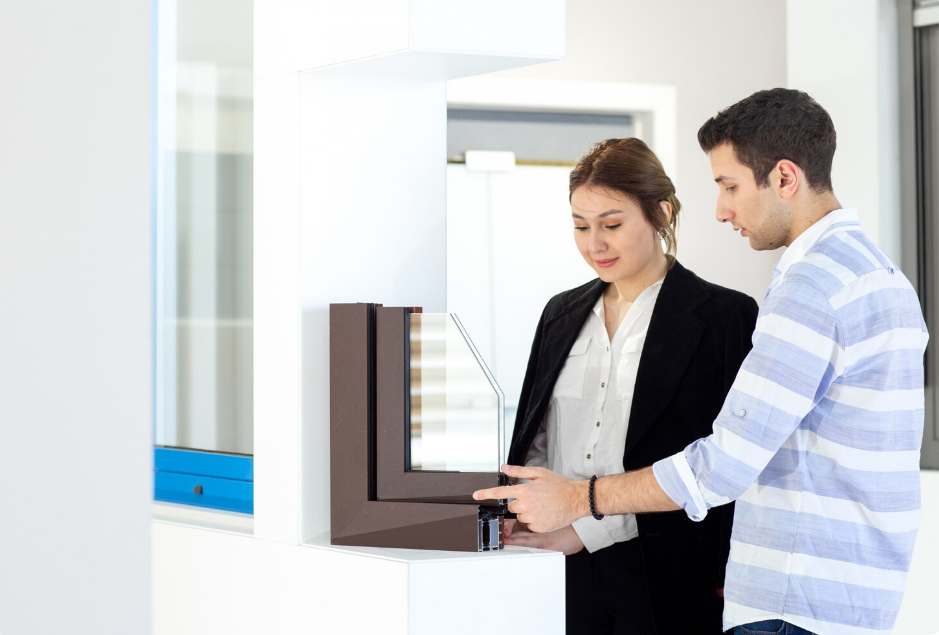
Building a new home is a huge project, and picking out the right windows for it can feel like a big decision too. You want them to look good, work well, and keep your home comfortable. It’s not just about picking something that fits the hole; there are lots of choices to make. This guide is here to help you figure out the best new construction windows for your place, breaking down what to look for so you don’t end up stressed or making a choice you regret later.
Key Takeaways
- New construction windows are different from replacement windows because they have a nail fin, making them ideal for installation during the initial building phase of a home or addition.
- Choosing the right material for your new construction windows—like wood, vinyl, or aluminum—impacts cost, maintenance, and how well they insulate.
- Window styles range from classic hung windows to crank-out casements, and picking the right one can improve both function and the look of each room.
- Energy efficiency is a big deal for new construction windows; look into options like gas fills, Low-E coatings, and ENERGY STAR certification to save on energy bills.
- Customizing your windows with specific colors, finishes, and grid patterns lets you match your home’s unique style, but remember to discuss these choices with your building team early on.
Understanding New Construction Windows
What Are New Construction Windows?
When you’re building a home from the ground up, you’ll be looking at what the industry calls “new construction windows.” These aren’t just any windows; they’re designed specifically to be installed as the house is being built. They come with a special flange, kind of like a built-in frame edge, that gets nailed directly into the wall studs. This makes for a really solid, integrated installation. This is a key difference from replacement windows, which are made to fit into existing openings without disturbing the exterior siding.
Key Differences From Replacement Windows
So, what’s the big deal about new construction versus replacement windows? It really comes down to how they’re installed and what that means for your project. New construction windows are built to be part of the structure from the start. They have that nailing fin I mentioned, which is crucial for creating a weather-tight seal when the walls are going up. Replacement windows, on the other hand, are designed to slide into the space left by an old window. They usually don’t have that nailing fin and are installed from the inside, often without needing to remove siding. This makes them great for remodels, but for a brand-new build, new construction windows are the way to go.
Here’s a quick rundown:
- New Construction Windows: Feature a nailing fin for direct attachment to studs. Ideal for new builds or major additions. Offers a more robust, integrated seal.
- Replacement Windows: Designed to fit into existing window openings. Installed from the inside, often without removing siding. Best for updating existing homes.
Why Choose New Construction Windows?
Choosing new construction windows for your Las Vegas home means you’re getting windows that are built to last and integrate perfectly with your new home’s structure. Because they’re installed during the building phase, they create a superior seal against the elements. This can lead to better energy efficiency right from the start, keeping your home more comfortable and potentially lowering your energy bills. Plus, since you’re building new, you have the chance to pick exactly the style, material, and features you want, making sure your windows complement your home’s overall design. It’s an investment in your home’s comfort and appearance for years to come.
When you’re building a new home, windows are more than just openings to the outside. They’re a significant part of your home’s building envelope, working alongside your roof and walls to keep your home protected from the weather. Investing in good quality windows from the beginning is something you’ll appreciate for a long time.
Choosing the Right Window Materials
Picking the right stuff for your window frames is a pretty big deal, honestly. It’s not just about how they look, though that’s part of it. The material you choose really affects how well your windows work, how much upkeep they need, and, of course, what they cost. Let’s break down the most common options you’ll see for new construction.
Exploring Wood Window Options
Wood windows are kind of the classic choice, right? They look really nice, giving your home a warm, traditional feel. You can paint or stain them to match whatever style you’re going for. But, and this is a big ‘but’, wood needs a good amount of attention. It can warp or rot if it gets too wet, and you’ll probably need to seal or paint it every few years to keep it looking good and protected. They also tend to be on the pricier side compared to other materials.
Benefits of Vinyl Windows
Vinyl windows have become super popular, and for good reason. They’re usually a lot cheaper than wood, which is a big win for most budgets. Plus, they’re really easy to take care of – just a quick wipe-down usually does the trick. They’re also pretty good at keeping your home insulated, so they help with energy bills. You can get them in a bunch of colors now, too, so they don’t have to look plain. The main downside? They might not last quite as long as some other materials, and if they get damaged, you usually have to replace the whole window unit.
Considering Aluminum Window Performance
Aluminum frames are known for being strong and lightweight. They’re also pretty low-maintenance, which is always a plus. You won’t have to worry about them rotting or warping. However, aluminum isn’t the best when it comes to keeping heat in or out. This means your heating and cooling systems might have to work harder, potentially costing you more in energy bills. They’re often the most budget-friendly option upfront, though.
When you’re looking at window materials, think about your local climate. If you get a lot of rain or extreme temperatures, some materials will hold up better than others. Also, consider how much time you’re willing to spend on maintenance over the years.
Here’s a quick look at how they stack up:
| Material | Pros | Cons |
| Wood | Beautiful, customizable | High maintenance, expensive, can rot |
| Vinyl | Affordable, low maintenance, good insulation | Can degrade over time, limited repair options |
| Aluminum | Strong, low maintenance, affordable | Poor insulation, can feel cold to the touch |
Selecting Window Styles for Your Home
Choosing the right window style is more than just picking something that looks nice; it’s about how the window works, where it goes, and how it fits with the rest of your house. Think about how you want your rooms to feel and function. Do you want lots of natural light? Easy cleaning? A specific look? These things matter.
Popular Hung Window Designs
Hung windows are super common, and for good reason. They slide up and down, which is pretty straightforward. You’ve got single-hung, where only the bottom part moves, and double-hung, where both the top and bottom sections can slide. The double-hung ones are a bit easier to clean because you can open them from the top and bottom, which is handy, especially for upper floors. They work well pretty much anywhere in the house, from bedrooms to living rooms, giving a classic look.
The Versatility of Casement Windows
Casement windows are different because they open outwards from the side, like a door, usually with a crank. This makes them really good for spots that are a bit tricky to reach, like over a kitchen sink or in a bathroom. Because they seal up so tightly when closed, they’re often quite good at keeping drafts out. They give a clean, modern look and can really open up a wall when you crank them all the way open.
Choosing Styles for Specific Rooms
When you’re picking windows for different parts of your house, think about what you’ll be doing in each room. For a kitchen, maybe you want a casement window over the sink for easy access and good ventilation. In a bedroom, double-hung windows are a safe bet, offering flexibility and a traditional feel. For a living room with a great view, you might consider larger fixed windows or even a combination of styles. It’s all about matching the window’s operation and look to the room’s purpose.
Don’t forget to consider how the window opens and closes. Some styles are better for ventilation, while others are easier to clean. Think about the space you have and how you’ll use it.
Here’s a quick look at some common styles and where they fit:
- Hung Windows (Single & Double): Great for general use, bedrooms, living rooms. Easy to operate and clean (especially double-hung).
- Casement Windows: Ideal for kitchens, bathrooms, or hard-to-reach spots. Offer good ventilation and a tight seal.
- Picture Windows: These don’t open but are perfect for showcasing views and letting in lots of light in living areas or dining rooms.
- Sliding Windows: Similar to hung windows but slide horizontally. Good for wider openings and easier operation than some hung styles.
Optimizing Energy Efficiency With Glass Options
When you’re building a new home, the windows you pick can make a big difference in how comfortable your house stays and how much you spend on heating and cooling. It’s not just about how they look; the glass itself plays a huge role. Let’s break down what makes a window’s glass work harder for you.
Understanding Gas Fills for Insulation
Think of the space between the glass panes in your windows. Instead of just having regular air in there, manufacturers can fill it with special gases like Argon or Krypton. These gases are denser than air, which means they’re better at slowing down heat transfer. So, in the winter, they help keep the warm air inside your house from escaping, and in the summer, they help keep the hot air outside where it belongs. It’s a simple idea, but it really adds to the window’s ability to insulate.
The Advantages of Low-E Coatings
Low-E, or low-emissivity, is like a super-thin, almost invisible coating applied to the glass. It’s pretty clever stuff. This coating is designed to reflect heat. In the winter, it bounces heat back into your home, and in the summer, it reflects the sun’s heat away. This not only helps with your energy bills but can also protect your furniture, carpets, and flooring from fading due to sun exposure. Different types of Low-E coatings are available, and the best one for you often depends on your local climate.
Double Pane vs. Triple Pane Glass
This is a pretty common question. Double-pane windows have two panes of glass with a space in between, usually filled with air or an insulating gas. Triple-pane windows take it a step further with three panes of glass and two spaces. More panes and more space generally mean better insulation. Triple-pane windows are especially good in colder climates where keeping heat in is a top priority. They can also help reduce condensation. However, they do come with a higher price tag, so for warmer regions, the extra cost might not always be worth the benefit.
Here’s a quick look at the differences:
| Feature | Double Pane | Triple Pane |
| Panes of Glass | 2 | 3 |
| Spaces | 1 | 2 |
| Insulation | Good | Better |
| Cost | More affordable | More expensive |
| Best For | Most climates, budget-conscious | Colder climates, maximum efficiency |
ENERGY STAR Certified Window Benefits
Looking for a reliable way to know if your windows are energy efficient? Keep an eye out for the ENERGY STAR label. This is a program backed by the government that sets standards for energy performance. Windows that earn this certification have been tested and meet specific criteria for things like the glass package, gas fills, and seals. Choosing ENERGY STAR certified windows means you’re getting a product that’s designed to save energy and money, and the certification helps you find options that are best suited for your specific region’s climate. It takes a lot of the guesswork out of picking the right windows for your new home.
Customizing Your New Construction Windows
So, you’ve picked out the basic style and material for your new windows. That’s great! But don’t stop there. This is where you really get to make your new house feel like your home. New construction windows offer a ton of ways to tweak things so they look just right, both inside and out.
Personalizing Window Colors and Finishes
Think about the outside of your house. Do you want your windows to blend in or stand out? You’ve got options. Many manufacturers offer a wide palette of colors, from classic whites and grays to bolder choices like deep blues or even earthy browns. Some even have wood-grain finishes that can mimic the look of real wood without the upkeep. The exterior color you choose will significantly impact your home’s curb appeal. On the inside, you might want a different look. Maybe a clean white frame for a modern feel, or a wood tone to match your interior trim. It’s worth checking if the interior and exterior colors can be different – many can!
Exploring Grid Patterns and Designs
Grids, or muntins, can totally change the vibe of a window. You’re not stuck with the standard criss-cross pattern anymore. You can go for a simple perimeter grid, just on the top sash, or skip them altogether for a clean, modern look. Some people like a more decorative pattern, like a colonial style with multiple panes. It’s a small detail, but it can really add character. Think about the architectural style of your home – a farmhouse might look great with a classic grid, while a contemporary home might be better suited to no grids at all.
Here are a few common grid styles:
- Full Perimeter: Grids on all four sides of the glass.
- Colonial: Grids divided into multiple panes, often in a 6-over-6 or 9-over-9 pattern.
- Queen Anne: A more decorative pattern, often with curved elements.
- No Grids: A clean, unobstructed view.
Integrating Custom Features for Your Home
Beyond color and grids, there are other ways to customize. Hardware finishes are a big one. Do you want brushed nickel, oil-rubbed bronze, or a simple white handle? These little touches tie into your overall interior design. You can also think about specialized glass options, like frosted glass for bathrooms or textured glass for a unique look. And if you’re dreaming of a really open feel, consider larger window sizes or even custom shapes if your budget and design allow. It’s all about making the windows work for how you live and how you want your home to look and feel.
Working With Your Building Team
Communicating Your Window Vision Early
So, you’ve got some ideas about what you want your windows to look like and how they should work. That’s great! But here’s the thing: windows for new construction aren’t like picking out a couch. They’re built specifically for your house, and that takes time. The sooner you tell your architect and builder what you’re dreaming of, the smoother everything will go. Think about those big, beautiful windows that open up to your backyard, or maybe a unique shape you saw somewhere. If you want something special, like a pass-through window from the kitchen to the patio for easy entertaining, or even a whole wall of glass, your design team needs to know early on. This lets them plan the house’s structure and order the right windows so they arrive when needed. It’s all about getting those custom pieces ordered in time to keep the construction schedule on track.
Visiting Showrooms With Your Architect
Looking at window samples online or in a catalog is one thing, but actually seeing and touching them makes a big difference. It’s a good idea to go to a window showroom with your architect. You can get a feel for how the windows operate, check out the different finishes, and see the quality of the hardware up close. This helps you make a more confident choice. You might discover you really like a certain brand or a specific type of window that you hadn’t considered before. It’s like test-driving a car – you want to make sure it’s the right fit before you commit.
Understanding Your Builder’s Role
Your architect usually specifies the windows during the design phase, thinking about the home’s style and your budget. Then, your builder is the one who actually orders and installs them. They have a lot of experience with different window products and what works best in terms of installation and performance. While they’ll guide you, remember that you’re the one who will be living with these windows every day. Your builder’s job is to help you find windows that look good, work well, fit your budget, and match your personal preferences. They’re there to help you make the best decision for your new home.
Wrapping Up Your Window Choice
So, picking out windows for your new place might seem like a lot, but really, it’s just about taking it step by step. You’ve learned about different materials, how they open, and what kind of glass keeps your home comfy and saves you some cash on bills. Don’t forget to think about how they look and how they’ll fit with your home’s style. Chat with your builder, maybe visit a showroom if you can, and just go with what feels right for you. After all, you’re the one who’ll be looking out of them every day. Making a good choice now means you’ll be happy with your home for years to come.
Frequently Asked Questions
What’s the main difference between new construction and replacement windows?
New construction windows are made for brand-new homes or additions. They have a special nail fin around the edge that lets the window be nailed directly into the house frame. Replacement windows, on the other hand, are designed to fit into existing window openings without needing to remove siding or trim, making them less disruptive.
Why should I choose new construction windows for my new home?
Because they’re installed before the siding and trim go on, new construction windows create a tighter seal with the house structure. This helps keep water out and makes your home more energy-efficient and comfortable in the long run. They’re built to be a permanent part of your home’s structure from the start.
What are the benefits of different window materials like vinyl, wood, or aluminum?
Vinyl windows are a popular choice because they’re affordable, easy to care for, and good for energy saving, similar to wood. Wood windows offer a classic, beautiful look but need more upkeep and can be pricier. Aluminum windows are usually the least expensive and require little maintenance, but they don’t insulate as well as other materials.
How can I make my new windows more energy-efficient?
You can boost energy efficiency by choosing double or triple-pane glass, which adds extra layers for insulation. Adding gas fills like Argon or Krypton between the panes further improves this. Also, look for Low-E coatings, which help keep heat inside during winter and outside during summer, and consider windows that are ENERGY STAR certified for your region.
Can I customize the look of my new construction windows?
Absolutely! You can pick from many colors and finishes to match your home’s style, inside and out. You can also choose different grid patterns to add visual interest or keep a classic look. Customizing helps make your new home truly unique and reflect your personal taste.
When should I start thinking about my window choices for a new build?
It’s best to decide on your windows early in the building process. Since windows can be custom-made with specific sizes, colors, and features, ordering them ahead of time ensures they’ll be ready when needed. This prevents delays and allows your builder to plan the installation smoothly, especially if you’re dreaming of unique features like large sliding doors.