 By nDir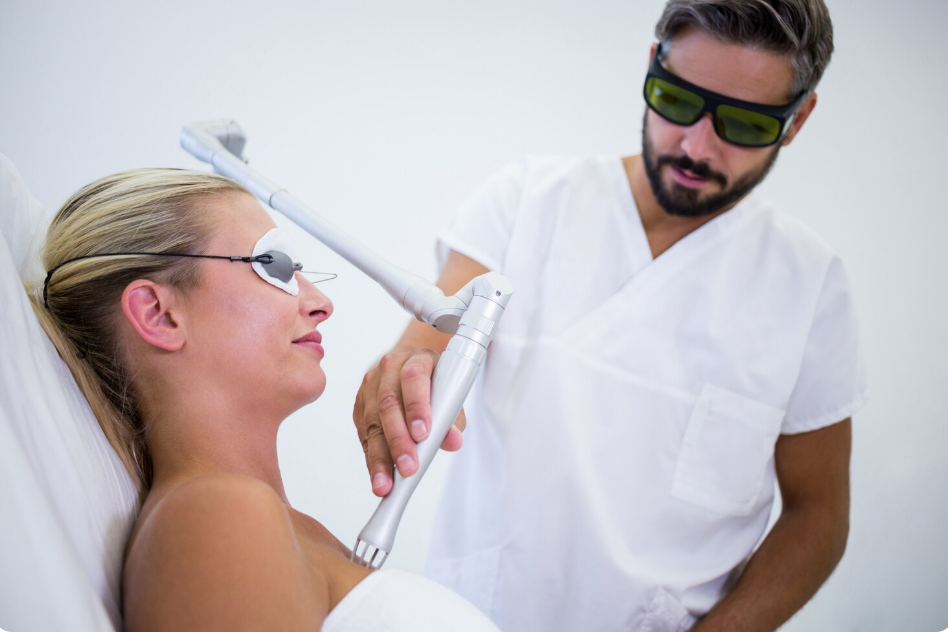
Understanding Cold Laser Therapy
What Is Cold Laser Therapy?
Cold laser therapy, sometimes called low-level laser therapy (LLLT), is a non-invasive treatment that uses specific wavelengths of light. It’s a way to help your body heal itself. Think of it like giving your cells a little boost of energy. This therapy uses low-intensity light, so it doesn’t generate heat, which is why it’s called ‘cold’ laser. It’s a gentle approach that can be used for a variety of issues.
How Cold Laser Therapy Works
During a cold laser therapy session, a chiropractor uses a handheld device. This device is pointed at the injured or painful area for a short time, usually just a few minutes per spot. The light from the laser penetrates the skin and reaches the cells in the targeted tissues. Once the light energy is absorbed by the cells, it helps to kickstart natural healing processes. This can lead to reduced pain, less inflammation, and faster tissue repair. It’s like giving your cells the instructions and energy they need to get back to work.
Benefits of Cold Laser Therapy
Cold laser therapy offers several advantages for pain management and healing:
- Pain Relief: It can help reduce discomfort from various conditions, including muscle strains, joint pain, and nerve irritation.
- Reduced Inflammation: The light energy helps to calm down swelling and inflammation in the affected area.
- Accelerated Healing: By stimulating cellular activity, it speeds up the body’s natural repair mechanisms for injured tissues.
- Non-Invasive: It requires no needles or surgery, making it a comfortable option for many people.
- Versatile: It can be used on many different parts of the body and for a wide range of injuries and chronic pain issues.
This treatment is quite straightforward. You sit or lie down, the practitioner applies the device to the area needing attention, and that’s pretty much it. There’s no downtime afterward, so you can usually go right back to your daily activities without any issue. It’s a pretty convenient option if you’re busy.
Exploring Spinal Decompression Therapy
What Is Spinal Decompression Therapy?
Spinal decompression therapy is a non-surgical treatment designed to relieve back and neck pain. It works by gently stretching the spine using a specialized, computer-controlled table. This process creates negative pressure within the spinal discs. The goal is to gently pull apart vertebrae, creating space and relieving pressure on nerves and the discs themselves. Think of it like carefully stretching a tight spring to give it room to breathe and function properly.
How Spinal Decompression Works
When you’re undergoing spinal decompression, you’ll typically be fitted with a harness around your pelvis and trunk. You’ll then lie on a specialized traction table. The table then moves in a controlled manner, applying gentle, rhythmic stretching to your spine. This stretching creates a vacuum effect within the discs. This negative pressure can help to retract bulging or herniated discs, pulling them back into their normal position. It also encourages the flow of nutrient-rich fluids and oxygen into the discs, which can aid in the healing process and help to rehydrate them. This can lead to significant pain relief and improved spinal function.
Conditions Treated by Spinal Decompression
Spinal decompression therapy is often recommended for a variety of spinal issues, particularly those involving the discs and nerves. Some of the common conditions it can help with include:
- Herniated or bulging discs
- Degenerative disc disease
- Sciatica (pain radiating down the leg due to nerve compression)
- Spinal stenosis (narrowing of the spinal canal)
- Pinched nerves
- Facet syndrome
At Canyon Lake Chiropractic and Physical Therapy, we assess each patient’s unique situation to see if spinal decompression is the right fit for their pain management needs. It’s a gentle yet effective way to address the root causes of certain types of back and neck pain without surgery.
Comparing Treatment Approaches
Key Differences in Mechanisms
When you’re looking at ways to deal with pain, especially in your back or joints, you’ll likely come across a couple of popular options: cold laser therapy and spinal decompression. They sound like they might do similar things, but they actually work in pretty different ways. Think of it like this: cold laser therapy is all about using light to encourage your body’s natural healing. It’s like giving your cells a little boost to speed things up and calm down inflammation. Spinal decompression, on the other hand, is more about physical mechanics. It uses a gentle stretching action on your spine to create space and relieve pressure. This is particularly helpful when discs or nerves are feeling squeezed.
Here’s a quick rundown of how they differ:
- Cold Laser Therapy: Uses low-level light to stimulate cellular activity, reduce inflammation, and promote tissue repair.
- Spinal Decompression: Uses controlled stretching to create negative pressure, decompressing spinal discs and nerves.
The main goal for cold laser is to speed up healing and reduce swelling, while spinal decompression focuses on relieving pressure that’s causing pain.
When to Consider Cold Laser Therapy
Cold laser therapy is a good choice when you’re dealing with pain that stems from inflammation or injuries to soft tissues. It’s really good for things like muscle strains, sprains, and even conditions like tendinitis. Because it’s non-invasive and generally painless, it’s a great option if you’re sensitive to touch or prefer a treatment that doesn’t involve direct manipulation. It’s also useful for speeding up recovery after injuries or surgeries, helping to get you back to your normal activities sooner. It’s not just for backs, either; it can help with a variety of joint pain and other soft tissue issues.
When to Consider Spinal Decompression
If your pain is directly related to issues with your spinal discs or nerves getting pinched, spinal decompression is often the go-to. This includes common problems like herniated or bulging discs, sciatica, and degenerative disc disease. The idea is to gently pull apart the vertebrae, creating a vacuum effect that can help draw bulging disc material back into place and allow nutrients to flow in, aiding healing. It’s a targeted approach for specific spinal conditions where pressure is the main culprit.
Deciding between these two treatments really comes down to understanding the root cause of your pain. Is it inflammation and tissue damage that needs healing, or is it pressure on nerves and discs that needs relief? A professional can help you figure this out.
| Condition Type | Cold Laser Therapy Focus | Spinal Decompression Focus |
| Soft Tissue Injury/Pain | High | Low |
| Disc Herniation/Bulge | Low | High |
| Nerve Compression/Sciatica | Low | High |
| Inflammation Reduction | High | Moderate |
| Tissue Repair Acceleration | High | Moderate |
Conditions Benefiting from Cold Laser Therapy
Musculoskeletal Injuries and Pain
Cold laser therapy, also known as low-level laser therapy (LLLT), is a fantastic option for dealing with a variety of aches and pains, especially those that pop up from injuries to muscles, joints, or tendons. Think of things like sprains, strains, or even that nagging tennis elbow you can’t seem to shake. It works by using specific wavelengths of light to get into the damaged tissues. This light energy helps kickstart your body’s natural repair processes at a cellular level. It’s a gentle way to encourage healing without any heat or discomfort.
Some common issues that respond well include:
- Knee pain
- Tendinitis (like Achilles or rotator cuff)
- Carpal tunnel syndrome
- Plantar fasciitis
- Muscle tears and strains
Inflammation and Tissue Repair
Beyond just pain relief, cold laser therapy is really good at tackling inflammation. When you have an injury, inflammation is often a big part of the problem, causing swelling and more pain. The light from the cold laser helps to reduce this inflammation. It also boosts circulation to the injured area, bringing in more oxygen and nutrients that are needed for healing. This combination of reduced inflammation and improved healing environment can speed up recovery for damaged tissues, whether it’s a ligament, tendon, or muscle.
The non-thermal nature of cold laser therapy means it can be applied directly to injured areas without causing further damage or discomfort, making it a safe choice for sensitive tissues.
Versatile Applications Beyond Back Pain
While many people associate chiropractic care with back pain, cold laser therapy has a much broader reach. It’s not just for your spine! This therapy can be applied to almost any part of the body experiencing pain or injury. Fibromyalgia sufferers have found relief, and it’s even used for certain types of headaches. Its ability to promote healing and reduce inflammation makes it a versatile tool in a chiropractor’s arsenal for a wide range of conditions, often used alongside other treatments like adjustments or soft tissue work.
Conditions Benefiting from Spinal Decompression
Spinal decompression therapy is a pretty specialized treatment, and it really shines when it comes to specific issues within the spine itself. It’s not really a catch-all for every ache and pain, but for certain problems, it can make a huge difference. Think of it as a targeted approach for when something’s gone a bit awry with your spinal discs or the nerves branching off from your spine.
Disc-Related Spinal Issues
This is where spinal decompression really shows its strength. When a disc between your vertebrae gets out of place, it can cause a lot of trouble. This can happen in a few ways:
- Herniated Discs: This is when the soft inner part of a disc pushes out through a tear in the tougher exterior. It can press on nerves and cause pain.
- Bulging Discs: Similar to a herniation, but the disc bulges outward without a full tear. Still, it can put pressure on nerves.
- Degenerative Disc Disease: Over time, discs can lose hydration and shrink, leading to less cushioning and potential pain.
- Slipped or Ruptured Discs: These terms are often used interchangeably with herniated discs, describing a disc that has moved out of its normal position or broken open.
Spinal decompression works by gently stretching the spine. This creates a negative pressure inside the disc. It’s like creating a vacuum that can help pull the herniated or bulging material back into the disc space. It also helps to rehydrate the disc by allowing oxygen and nutrients to flow in, which can aid in healing and restoring disc height.
Nerve Compression and Sciatica
When discs bulge or herniate, they often press on the spinal nerves. This pressure is a common cause of pain that radiates away from the spine. Sciatica is a prime example. It’s that shooting, burning, or tingling pain that travels down the leg, usually caused by pressure on the sciatic nerve, often from a herniated disc in the lower back.
Spinal decompression can be particularly effective for sciatica and other forms of nerve compression because it directly addresses the source of the pressure. By decompressing the spine, it aims to relieve that pinching on the nerve root. This can lead to a significant reduction in pain, numbness, and tingling sensations.
Degenerative Spinal Conditions
As we age, our spines naturally go through changes. Discs can wear down, joints can become stiff, and the spaces where nerves exit the spine can narrow. Spinal stenosis is one such condition, where the spinal canal narrows, putting pressure on the spinal cord and nerves.
While spinal decompression isn’t a cure for aging, it can help manage the symptoms associated with these degenerative changes. By creating space and reducing pressure, it can alleviate pain and improve function for individuals dealing with conditions like spinal stenosis or general disc degeneration. It offers a way to potentially slow down the progression of discomfort and improve mobility without surgery.
Making an Informed Treatment Decision
Consulting a Chiropractic Specialist
Deciding between cold laser therapy and spinal decompression can feel a bit overwhelming, especially when you’re dealing with pain. The best first step is to talk to a chiropractor. They’re trained to look at your specific situation – what’s causing your pain, how long you’ve had it, and what your body needs. They can explain the ins and outs of both treatments in a way that makes sense, helping you figure out which path is more likely to get you feeling better.
Personalized Treatment Plans
It’s not a one-size-fits-all deal when it comes to pain relief. Your chiropractor will likely put together a plan just for you. This plan might involve one therapy, or maybe a combination of treatments. They’ll consider things like:
- Your Diagnosis: What exactly is going on with your spine or tissues?
- Pain Severity and Duration: How bad is the pain, and how long has it been bothering you?
- Overall Health: Are there other health issues that might affect treatment?
- Your Goals: What do you hope to achieve with treatment?
Based on all this, they’ll recommend a course of action. Sometimes, a few sessions of cold laser might be enough to calm inflammation, while other times, a more involved approach like spinal decompression is needed for disc issues.
Non-Invasive Pain Management Options
Both cold laser therapy and spinal decompression are great because they offer relief without surgery. This means less risk and usually a quicker return to your daily activities. Think of it this way:
When you’re hurting, the last thing you want is a treatment that causes more problems. These non-invasive options focus on helping your body heal itself, using gentle methods to get you back on your feet.
Ultimately, the goal is to find the most effective and least disruptive way to manage your pain. Your chiropractor is there to guide you through the options and help you make the choice that’s right for your body and your life.
Frequently Asked Questions
What exactly is cold laser therapy?
Cold laser therapy, also known as low-level laser therapy (LLLT), uses low levels of light to help heal your body. Think of it like a gentle beam of light that goes into the injured spot. It’s called ‘cold’ because the light isn’t strong enough to heat up your skin or tissues. It helps reduce pain and swelling, and gets your cells working better to heal.
How does spinal decompression work?
Spinal decompression is like a gentle, controlled stretch for your spine. You lie on a special table that carefully pulls and releases your spine. This creates a little more space between the bones in your spine, which can take pressure off nerves and discs. This space also helps healing fluids get to the area, which can relieve pain.
What’s the main difference between cold laser and spinal decompression?
The biggest difference is how they work. Cold laser uses light energy to help cells heal and reduce inflammation. Spinal decompression uses gentle stretching to relieve pressure on your spine and nerves. So, one uses light, and the other uses mechanical stretching.
When might a doctor suggest cold laser therapy?
Your doctor might recommend cold laser therapy for many different aches and pains, not just back pain. It’s often used for muscle or joint injuries, like sprains or strains. It can also help with things like tennis elbow, carpal tunnel syndrome, or even headaches. It’s a versatile treatment for various types of pain and healing.
What kind of back problems does spinal decompression help with?
Spinal decompression is particularly good for problems related to your spinal discs and nerves. This includes issues like herniated discs (where the disc pushes out), bulging discs, slipped discs, and sciatica, which is pain that travels down your leg due to a pinched nerve. It’s designed to take pressure off those sensitive areas.
Can I choose which treatment is best for me?
While it’s great to be informed, the best way to decide is to talk to a chiropractic specialist. They can look at your specific health issue, understand your pain, and then recommend the treatment that’s most likely to help you. They’ll create a plan just for you.